The Best Time to Visit Antelope Canyon
When to visit Antelope Canyon: the midday light beams, the best months, morning vs afternoon tours, the monsoon season, and the Arizona time-zone trap.
The short answer: for the famous light beams, book a tour around midday in the sunnier months, roughly spring to early autumn. For comfortable weather and fewer storms, go in spring or autumn. In winter the canyons are quieter and the light is softer, with few beams. Whatever you pick, remember that tours run on Arizona time.
When the light beams happen
The beams are shafts of sunlight that reach the canyon floor through the narrow opening overhead, so they need the sun high in the sky. Ken’s Tours, one of the two Lower Antelope Canyon operators, puts the peak for Lower at about 11 a.m. to 1:30 p.m. and says summer gives the most chances. Upper Antelope Canyon, with its wider floor and narrow top, is the canyon best known for them. That is why the midday “prime time” tours cost more and sell out first.

Outside those hours the canyons still glow orange, red and violet. In winter the sun stays lower, the light is softer and more diffused, and the colours are gentler, which some photographers prefer.
Morning or afternoon?
- Morning: cooler, often calmer, and good for the walk in summer. In winter the first tours of the day are darker inside.
- Midday: the best chance of beams, and the busiest time.
- Afternoon: warm light on the walls and a good fit if you want Horseshoe Bend at sunset.
The best months
| Season | What to expect |
|---|---|
| Spring (March to May) | Mild weather, good light, busy around school holidays |
| Summer (June to September) | Strongest beams, heat, and the monsoon season from mid-June to the end of September, when storms can cancel tours |
| Autumn (October to November) | Mild weather, fewer storms, softer light later in the season |
| Winter (December to February) | Quiet, cold mornings, soft light and few beams |
The time-zone trap
Arizona doesn’t use daylight saving time, but the Navajo Nation around the canyons does, so for much of the year the two are an hour apart. The tour operators run on Arizona time, the same as Phoenix. Phones near Page can switch to Navajo Nation or Utah time on their own, so set yours to Phoenix time and read your confirmation carefully. Getting this wrong is one of the most common ways to miss a tour.
How long to allow
The Lower Antelope Canyon walk takes about an hour, about an hour and a half with check-in. Upper takes about 1.5 hours with the truck ride, and Antelope Canyon X about an hour. That leaves room for two tours in a day, or a tour plus Horseshoe Bend.
Book your slot
The best-selling Lower tour below has midday times when available, includes the $15 Navajo permit, and can be cancelled up to 24 hours before. (Price checked in October 2026: from $75.)
If the beams matter most, look at the Upper Antelope Canyon prime-time tour. Planning around summer storms? Read the weather guide.
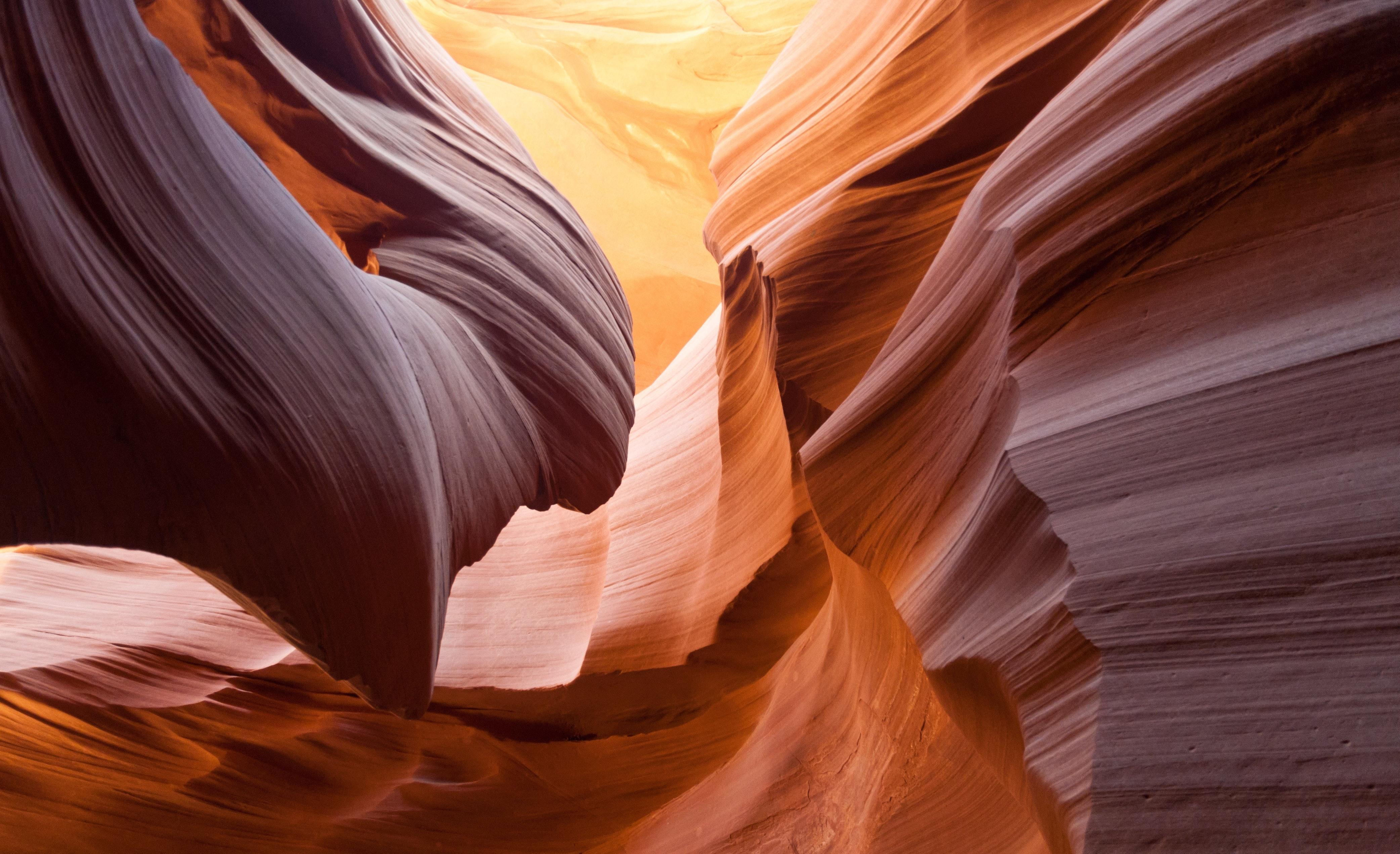
Walk the Corkscrew — Lower Antelope Canyon, Navajo-Guided
Join 9,600+ guests who rated this Navajo-guided walk 4.7/5. Canyon entry, a licensed Navajo guide, and the Navajo permit fee are all included. Free cancellation up to 24 hours before.
Check Availability & Book